


What are Pasteles?
Think of pasteles as a holiday bundle of joy, wrapped in banana leaves. The dough is made from grated green plantains and root vegetables like yautia, sometimes with a touch of pumpkin or potato for balance. The filling is usually pork simmered in a savory, garlicky sauce with olives and capers, though chicken or a veggie filling works great too. Everything gets wrapped and tied, then gently cooked until tender.
“I was nervous to make them, but once I tried, it felt like I unlocked a family secret. Now it’s our most requested dish every December.”
Flavor and texture
Pasteles are soft, earthy, and comforting. The dough is tender, lightly seasoned with achiote oil for that warm color and subtle aroma. The filling brings salty pops from olives, a little tang from vinegar, and rich meaty depth from long simmering. If you’ve only had tamales, you’ll notice pasteles are less corn-forward and more root-veg creamy.
Here’s what sets Puerto Rican Pasteles apart: the dough is plantain based, the wraps are banana leaves, and the flavor leans into sofrito, annatto, and briny little extras like capers. It’s a whole experience. If you love hearty starch dishes, you might also enjoy learning how to make East African Ugali for another comforting, simple staple.
Tips for Making Pasteles
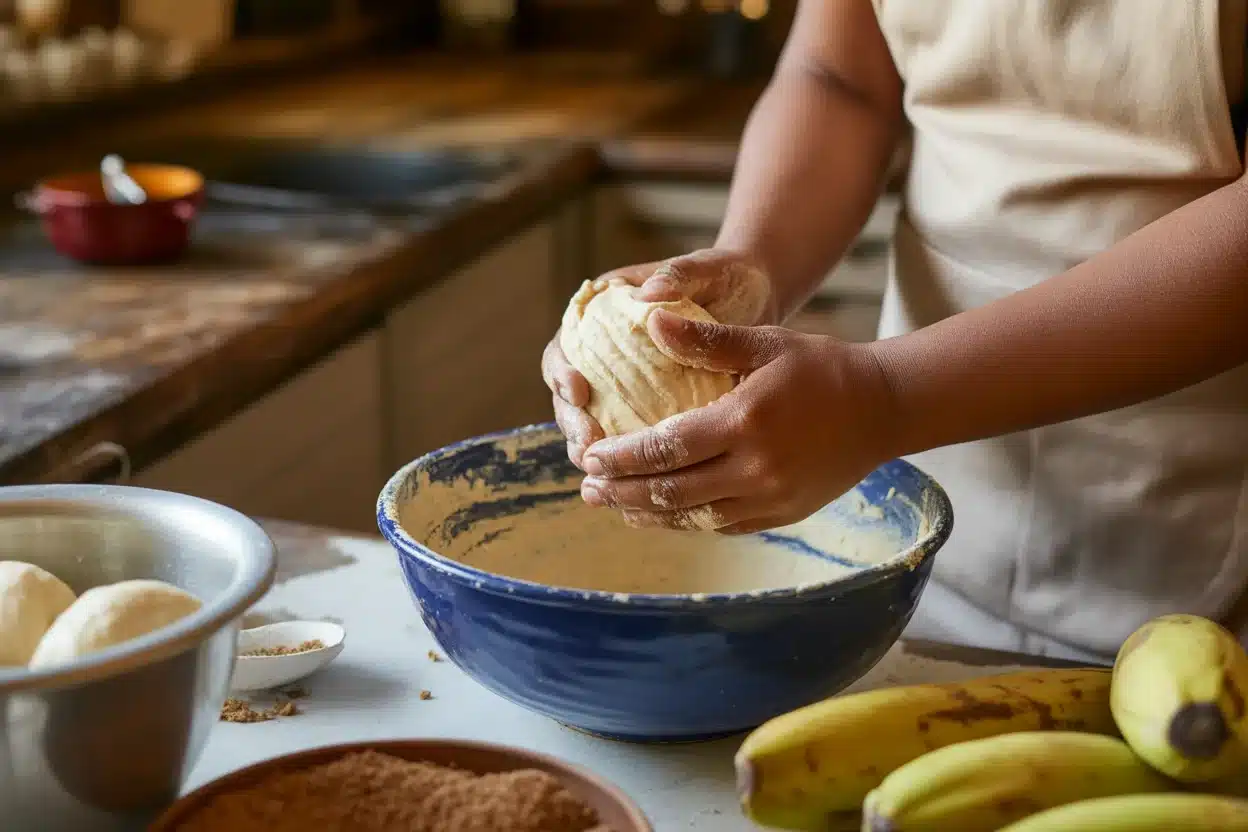
Pasteles are all about rhythm. Once you set up your station, it becomes a cozy assembly line. These tips will save you time and stress.
- Use very green plantains. Yellow ones are too sweet and soft.
- Chill the dough. A short rest in the fridge helps it thicken and spread easier.
- Oil the leaves. A dab of achiote oil prevents sticking and adds color.
- Prep the filling the day before. Flavors deepen overnight and assembly goes faster.
- Work in batches. Spread dough, add filling, fold, tie, repeat. Put on good music and enjoy the process.
- Freeze in pairs. Wrap two together so you can pull just what you need for dinner.
- Label your bundles. Note the filling and date for easy meal planning.
Hosting a multicultural holiday dinner? Pasteles pair beautifully with creamy, coconut-rich dishes. Try this aromatic Kuku Paka for guests who enjoy chicken with bold, cozy spices. It’s a delicious mash-up that somehow just works at a festive table.

How to Cook Frozen Pasteles
Maybe you made a big batch or brought some home from a friend. Frozen pasteles cook up beautifully with gentle heat and patience, and they’re a lifesaver on busy nights.
Boiling method
Bring a large pot of salted water to a steady simmer. Drop in the frozen bundles, making sure they’re fully submerged. Keep the water simmering, not aggressively boiling, to protect the delicate dough. Cook for 45 to 60 minutes until firm but tender when pressed with tongs. Drain well, then let them sit a minute before unwrapping. The steam inside will finish the job, and the dough will hold together better.
Steaming method
Set up a steamer with enough water to last an hour. Arrange the frozen pasteles in a single layer and steam for 60 to 75 minutes. This method concentrates flavor and keeps the wrappers from getting waterlogged. Either way, always let them rest a couple of minutes before opening so the dough can settle.
If you want something cozy to sip while the kitchen fills with that achiote aroma, make a creamy seasonal drink like this Pumpkin Cream Americano. It’s a warm hug in a mug that pairs especially well with savory, garlicky bites.
When friends ask how I reheat leftovers, I tell them the same thing I tell you: treat them kindly and they will reward you. That holds true for Puerto Rican Pasteles every time.
How To Make The Masa For Puerto Rican Pasteles?
Once you get the dough right, everything else clicks into place. If this is your first time, take it slow and trust the steps. You’ll be spreading and folding like a pro by the third one, promise.
What you will need
- Green plantains, peeled
- Yautia or malanga, peeled
- Optional: a bit of green banana or kabocha pumpkin for balance
- Achiote oil or annatto-colored oil
- Sofrito, salt, and pepper
- Banana leaves, cleaned and cut into squares
- Kitchen twine and parchment strips or foil if you prefer
Step by step
Prep the leaves first. Pass the banana leaves briefly over a low flame or a hot dry skillet until they turn glossy and flexible. Wipe them clean and cut into manageable pieces. Lightly brush with achiote oil and set aside.
Grate the plantains and yautia. A food processor with a grating disc is a lifesaver, but a box grater works too. Keep the mixture from oxidizing by working fast and adding a splash of achiote oil. Season with sofrito, salt, and pepper. The dough should be thick but spreadable and slightly sticky. If it feels too stiff, a spoon or two of broth helps. If it’s too loose, rest it in the fridge for 15 minutes.
Season with intention. This isn’t a bland dough, but it’s not loud either. The filling brings most of the flavor, so think of the masa like a gentle hug around your main act. Stir until it looks consistent, then taste a tiny cooked bit in a skillet if you want to check salt levels. A minute of testing saves a whole batch from being under seasoned.
Curious about other comfort carbs? I love exploring food traditions across cultures. For example, this hearty staple called Ugali is simple, satisfying, and perfect for soaking up sauce. Dishes like that remind me why I adore pasteles so much.
By now your masa should be golden-tinged from the achiote, smooth, and ready to spread.
How To Assemble Puerto Rican Pasteles De Masa
Lay a banana leaf square shiny side up. Add a small piece of parchment on top if you like easier cleanup. Spoon a couple of tablespoons of masa onto the center and spread into a rectangle about the length of your hand. Add a generous spoonful of your filling straight down the middle. Try not to overstuff. A little restraint keeps them neat and easier to tie.
Fold the leaf lengthwise to meet the edges, letting the masa wrap itself over the filling. Fold the ends like a package and then tie with kitchen twine, not too tight. If the leaf tears, it’s okay. Wrap another piece around it or use a strip of parchment as a belt. You’ll get in a groove after the first few.
Bundle in pairs if you plan to freeze. Place two pasteles seam side down, back to back, and tie them together with twine. Chill for a bit to firm up, then freeze in a labeled zip-top bag. On cooking day, drop them straight from freezer to pot, and enjoy that incredible aroma filling your kitchen.
Serving ideas are flexible, but I like them with a simple salad, a tangy hot sauce, or quick-pickled onions. The soft masa and savory meat want something bright next to them, so a squeeze of lime works wonders. And if you saved a little of that achiote oil, drizzle a whisper on top before serving for extra shine.
Common Questions
Q: What’s the difference between pasteles and tamales?
A: Pasteles use a plantain and root veggie dough, while tamales use corn masa. The flavors and textures are different, and pasteles are wrapped in banana leaves.
Q: Can I make them vegetarian?
A: Absolutely. Use a hearty filling like mushrooms, jackfruit, or beans with sofrito, olives, and capers. Keep the seasoning bold for the best result.
Q: How long do they last in the freezer?
A: Up to three months for best quality. Wrap tightly and label. Cook straight from frozen without thawing.
Q: My dough came out too loose. What do I do?
A: Chill it for 15 to 20 minutes, or add a bit more grated plantain. Spread thinly and let the leaf help hold its shape.
Q: Can I bake pasteles?
A: Traditionally they’re boiled or steamed. Baking can dry the dough. If you must, wrap tightly and use a covered pan with a little water to create steam, but the texture won’t be the same.
Let’s Get You Cooking
Make a batch, share with friends, and watch how fast those bundles disappear. Once you’ve tackled the flow, Puerto Rican Pasteles become a tradition you’ll look forward to every year. From prepping the masa to tying the last bundle, it’s a kitchen memory in the making. I hope these tips help you cook with confidence and joy. Now go grab those green plantains and let the good smells begin.
Print
Puerto Rican Pasteles
- Total Time: 120 minutes
- Yield: 12 pasteles 1x
- Diet: Vegetarian (with filling adjustments)
Description
Puerto Rican Pasteles are a holiday dish made of grated plantains and root vegetables filled with savory meats, wrapped in banana leaves, and cooked until tender.
Ingredients
- 4 green plantains, peeled
- 2 yautia or malanga, peeled
- Optional: 1/2 cup green banana or kabocha pumpkin for balance
- 1/4 cup achiote oil or annatto-colored oil
- 1/2 cup sofrito
- Salt and pepper to taste
- Banana leaves, cleaned and cut into squares
- Kitchen twine and parchment strips or foil for wrapping
- Filling of your choice (pork, chicken, or veggie)
Instructions
- Prep the banana leaves by passing them briefly over a low flame or hot dry skillet until glossy and flexible. Set aside.
- Grate the plantains and yautia, adding a splash of achiote oil to prevent oxidation.
- Season the dough mixture with sofrito, salt, and pepper, adjusting consistency with broth if necessary. Chill if too loose.
- Spread a portion of masa onto the center of a banana leaf, add filling, and fold the leaf tightly.
- Tie the wrapped pasteles with kitchen twine, ensuring they’re secure.
- Bundle two pasteles together for freezing and label before storing.
- Cook frozen pasteles by boiling in salted water for 45-60 minutes or steaming for 60-75 minutes. Let rest briefly before unwrapping.
Notes
Use very green plantains for best texture. Chill the dough before spreading, and prep filling a day in advance for deeper flavors.
- Prep Time: 60 minutes
- Cook Time: 60 minutes
- Category: Main Course
- Method: Boiling or Steaming
- Cuisine: Puerto Rican
Nutrition
- Serving Size: 1 pastel
- Calories: 450
- Sugar: 8g
- Sodium: 600mg
- Fat: 18g
- Saturated Fat: 5g
- Unsaturated Fat: 10g
- Trans Fat: 0g
- Carbohydrates: 67g
- Fiber: 5g
- Protein: 10g
- Cholesterol: 25mg


